

“We can only have a rational debate about the risks and benefits of nuclear power if we can put the risks into a balanced perspective.” ~ Professor Geraldine Thomas
Five years ago this month the advanced industrial nation of Japan was brought to its knees by a record 9.0 magnitude earthquake. A tsunami of devastating height inundated the east coast of Honshū, overwhelming many sea walls, washing away towns and wreaking unimaginable destruction. 15,894 ,2562 remain missing and thousands of others were injured. Despite an associated nuclear accident, no one has died from radiation.
It was later observed:
“When it became clear the waves had struck a nuclear power plant, Fukushima Daiichi, 100 or so miles north of Tokyo, it was almost as if the great disaster we had witnessed had been erased from view. Suddenly, all the reports concentrated on the possibility of a reactor meltdown, the overheating fuel rods, and the design flaws in this ancient plant.”
It is understandable, then, that the survival and safe shutdown of the nuclear plant closest to the undersea epicentre went unnoticed.
Back it up eighteen years, to 1993. The second boiling water reactor at the Tōhoku Electric Co’s Onagawa nuclear station is completed after a three and a half year build, costing $2.64 billion in today’s US dollars. The site is already elevated and fortified beyond historical tsunami indications, the legacy of a corporate safety culture instilled by vice president Yanosuke Hirai. This diligence pervaded and persisted through the company, driving safety focus and disaster preparedness. A further unit is later constructed beside Onagawa-2. The plant operates well above average Japanese availability factor.
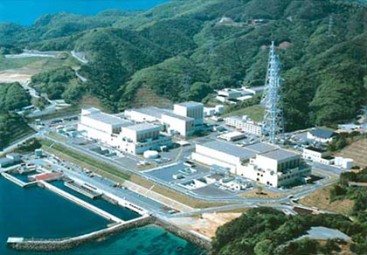
Source: Power Line
The response of Onagawa to the natural disasters in 2011 has been detailed in the literature by senior personnel, as well as by an . All three reactors shut down automatically, as designed, when the quake struck. Workers were quick to organise and get to work ensuring the plant’s safety. Backup power sytems including diesel generators and offsite power lines were safe from the waves and continued to cool the decay heat within the reactor cores. Tsunami damage was limited to a non-safety switchgear fire and auxiliary building flooding.
The safety and electricity at the plant in the midst of unprecedented devastation drew local survivors. Hundreds of people were housed in Onagawa’s gymnasium for three months and provided with warmth and supplies.
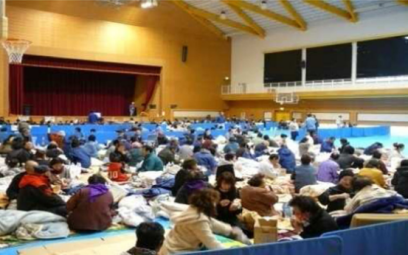
Source: Nuclear Technology 2014, 186, 280-294
Onagawa-2, and its sister units, rapidly reached secure cold shutdown, as designed. In 2013, Tōhoku Electric Co began the process of obtaining approval for restarting the reactor. Approval and operating requirements are much tighter now, but in the words of Onagawa’s personnel:
“We were able to properly manage the earthquake and tsunami on March 11. However, there are still many lessons that we have learned from the experience.
To pursue and maintain higher safety, we will continue to implement various enhancements. Furthermore, we will continue to grow our skills at executing emergency procedures properly and correctly.”
Having fended off the worst nature could dish out, they are focusing on getting even better.
In the meanwhile, Japan increasingly relies on imported natural gas. When it’s not gas being burned it’s coal - in record amounts. The direct health and far-reaching climate impacts of this fossil fuel combustion are unequivocal. This is the true ongoing disaster that began in March 2011.
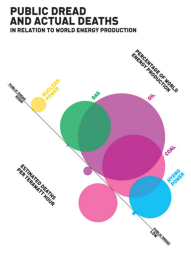
Source: www.susannahertrich.com
The psychological toll from Chernobyl than the damage done by radiation. The political, media and activism frenzy following the Fukushima accident overshadowed not just the natural disaster but also all we had learned regarding legitimate appreciation of nuclear hazards… although five years on and the extent of the overreaction is crystallising. It would be good to see the lessons studiously relearned, to protect us next time.
But perhaps there is a bonus lesson provided by Onagawa. A properly designed power plant, with reactors built rapidly and affordably, and which shrugged off nature’s mightiest blows thanks to the exemplary safety culture of its human component. Could Onagawa teach us that there doesn’t have to be a next time?